Yorkshire Terrier, Dog Embroidery
First Impression: Elegant Simplicity That Stops Booth Shoppers in Their Tracks
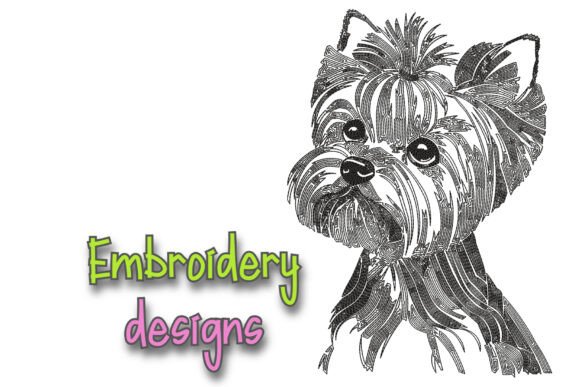
As an embroidery designer who’s curated over 200 craft fair displays—and watched thousands of customers pause, point, and pick up embroidered items—I can tell you this at a glance: Yorkshire Terrier, Dog Embroidery lands with quiet confidence. It’s not loud or cartoonish; it’s pencil-drawn monochrome elegance. That means it reads as premium, intentional, and timeless—not trendy, not fleeting. At a bustling handmade market where bold colors and maximalist motifs compete for attention, this design stands out by *not* shouting. It whispers “handmade care” and “thoughtful detail,” appealing especially to dog lovers who value refinement over flash.
Where It Shines: Craft Fair Products That Elevate the Design
In my booth setup—tote bags stacked upright, aprons draped over vintage crates, tea towels folded beside embroidered pillow covers—the Yorkshire Terrier, Dog Embroidery consistently draws the longest dwell time on three items: linen tea towels, structured cotton tote bags, and embroidered patches. Why? Because its monochrome line work translates beautifully to natural fabric textures without competing visually. On a cream linen towel, the stitch definition feels artisanal and calm. On a medium-weight canvas tote, it anchors the front panel with clean, confident presence—no overcrowding, no visual fatigue. As a patch? It’s instantly collectible, sew-on-ready, and scales perfectly from 2.5” to 4” without losing character.
It also performs exceptionally well on aprons (centered just below the pocket), small drawstring pouches (ideal for pet treats or craft supplies), and pillow covers (especially oatmeal or charcoal linen). I avoid using it full-coverage on large pillows—it’s strongest as a single focal motif. And while it *can* work on caps, I recommend testing it only on structured, flat-front panels—not curved visors—since fine line work risks distortion.
What Makes It Sell: Clarity, Consistency, and Commercial Readiness
This isn’t just another dog embroidery file—it’s a craft fair product engine. Its pencil-drawn monochrome aesthetic means minimal thread color decisions (typically one or two shades), faster hooping, and fewer re-hoos during batch production. As a machine embroidery design, it’s engineered for simplicity—so stitch density stays balanced, reducing puckering on lightweight fabrics and stabilizer dependency on midweights.
For Etsy sellers and small shop owners: this design photographs cleanly. No glare, no color correction guesswork. A single well-lit shot of the Yorkshire Terrier, Dog Embroidery on a folded tea towel or pinned to a denim tote reads instantly as high-quality handmade. And because it’s monochrome and breed-specific—not generic “dog”—it supports strong brand consistency across your listings, packaging, and social thumbnails.
Careful-Use Notes Every Embroiderer Should Know
- Dense stitch areas: Though described as simple, any monochrome sketch includes subtle tonal gradients—check for tight fill sections near the terrier’s signature long coat. Test on scrap fabric first to confirm your machine handles those transitions smoothly.
- Tiny details: The expressive eyes and delicate ear shape rely on fine satin or stem stitch. Avoid shrinking below 2.25” wide—clarity degrades fast.
- Dark fabric & textured surfaces: On black denim or heavy terry cloth tea towels, contrast may soften. Use high-contrast thread (e.g., bright white or silver metallic) and a cutaway + tear-away stabilizer combo.
- Curved cap surfaces: Not ideal unless digitized specifically for headgear. Stick to flat or gently contoured items for best results.
Design Assets That Build Real Business Value
When prepping for a weekend market, I treat every Yorkshire Terrier, Dog Embroidery sample as both a display piece *and* a sales catalyst. One real mockup—say, an embroidered linen pouch next to a printed card reading “Hand-stitched in Yorkshire-inspired detail”—generates more questions and conversions than five digital mockups alone. That tactile authenticity is what makes handmade shoppers reach for their wallets.
For digital sellers: pair your embroidery file with printable mockups that show the design on multiple products—tote, apron, patch. Buyers imagine usage instantly. For commercial embroidery shops: confirm licensing terms before offering finished goods. This isn’t clipart—it’s a distinct design asset with inherent value.
Pro Designer Checklist Before You Stitch a Single Piece
- Test the Yorkshire Terrier, Dog Embroidery on scrap fabric matching your production material (e.g., unbleached linen, midweight cotton canvas).
- Verify thread contrast—especially if stitching on off-white, charcoal, or oatmeal fabric.
- Review spacing between key features (nose to eye, ear tip to jawline)—tight spacing can blur at smaller sizes.
- Confirm hoop size compatibility with your frame system and largest intended product (e.g., 5x7” for totes, 4x4” for patches).
- Inspect stitch density in the coat area—adjust underlay if needed for stability on stretchy or loosely woven fabrics.
- Use the right stabilizer: cutaway for knits, tear-away for stable wovens, and fusible + tear-away for tea towels with texture.
- Create at least one physical mockup—not just screen previews—before committing to batch production.
- Compare how the design reads across three fabric colors: light, medium, and dark.
- Double-check commercial licensing permissions before selling finished embroidered products.
Final Thought: A Design That Sells Because It Feels Human
In a sea of AI-generated motifs and mass-produced pet graphics, the Yorkshire Terrier, Dog Embroidery succeeds because it feels hand-guided—not algorithmically optimized. Its elegance isn’t fussy; its simplicity isn’t empty. It invites touch, invites storytelling, and quietly signals craftsmanship. Whether stitched onto a market bag handed to a customer or framed as a boutique gift, it carries weight. That’s why, after reviewing dozens of dog embroidery files this season, this one stays front-and-center on my embroidery hoop—and my craft fair table.