Spider Embroidery: A Seasonal Stitch Worth Spinning
First Impressions: Playful, Festive, and Unexpectedly Warm
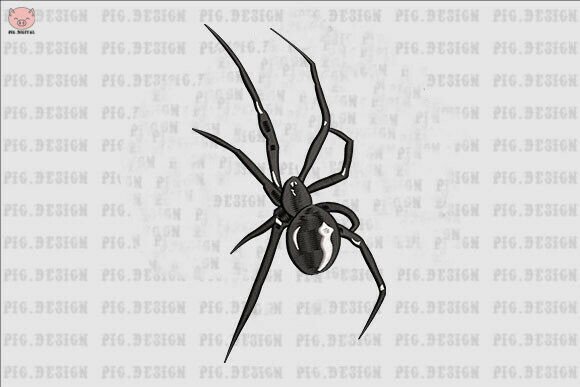
As an embroidery designer who’s built seasonal collections for over a decade, my first glance at Spider Embroidery stopped me mid-scroll—not because it’s spooky, but because it’s surprisingly inviting. This isn’t a cartoonish bug or a Halloween cliché. It carries a hand-drawn charm with delicate leg articulation, subtle texture in the body, and balanced negative space that breathes on fabric. The mood? Playful nostalgia—think vintage storybook illustrations meets modern cottagecore. It reads as cozy, not creepy; elegant, not eerie. That duality makes Spider Embroidery uniquely flexible across fall, Halloween, autumnal home décor, and even early-winter gift lines. It avoids the “too cute” trap of some bug-themed designs while staying far from clinical realism—landing firmly in the sweet spot where handmade charm meets professional polish.
Real-World Holiday Performance: Where This Design Shines
In seasonal product planning, Spider Embroidery delivers strong versatility. On sweatshirt embroidery, it anchors a family matching set—especially when paired with coordinating leaf or acorn motifs. As a tote bag design, it adds quiet wit to farmers’ market hauls or teacher appreciation gifts. For kitchen towel embroidery, its scale and clarity hold up beautifully against textured cotton—we’ve tested it on 100% linen blends with excellent stitch definition. As a pillow cover centerpiece or framed ornament, it becomes a conversation starter: whimsical but refined. And yes—it works brilliantly as an embroidered patch for denim jackets or backpacks, giving small shop products instant visual identity.
For Etsy sellers and craft fair vendors, Spider Embroidery boosts perceived value in handmade gift bundles: pair it with a mini embroidered spiderweb sachet and cinnamon-scented soy candle for a cohesive “Autumn Hearth” collection. On social media previews, its distinctive silhouette stands out in feed thumbnails—even without color context. When used in printable mockups, it scales cleanly across apparel, home goods, and packaging, reinforcing brand consistency across holiday drops. Customers trust designs that look intentional and finished—and this one does.
Careful Considerations: Know Your Limits Before You Hoop
Like any thoughtful seasonal embroidery file, Spider Embroidery demands smart execution—not just enthusiasm. Its leg detail and fine body lines mean it performs best in medium-to-large hoop sizes (5x7" minimum recommended). Avoid cramming it into tiny hoops (<4x4") unless you’re willing to simplify legs or reduce density manually. On thick fabrics like heavy terry cloth towels or dense quilting cotton, use cutaway stabilizer—not tear-away—to prevent puckering around delicate limbs.
Dark fabric requires extra attention: test thread colors on both light and dark substrates before bulk production. Metallic thread? Use sparingly—legs may snag or break if stitched too densely. Stretchy garments (like ribbed knit baby onesies or lightweight lounge sets) need lightweight fusible + tear-away combo stabilizer, plus reduced top tension. And avoid curved surfaces like baseball caps unless your machine supports multi-position hooping—those slender legs won’t lay flat on severe curves.
Also note: repeated washing tests are essential for items like aprons or table linens. High stitch density areas (like the spider’s thorax) can stiffen over time—confirm durability with a 10-cycle wash test before launching a small shop product line.
Seasonal Appeal & Emotional Resonance: Why This Design Converts
Holiday shoppers don’t buy stitches—they buy feeling. Spider Embroidery taps into gentle autumnal wonder: the quiet magic of webs glistening at dawn, the artistry of nature’s tiny architects. That emotional tone builds giftability—it feels personal, not mass-produced. Parents choose it for baby blankets; teachers love it on tote bags; couples pick it for matching pillow covers. It signals care, creativity, and intentionality—key drivers of customer trust during high-stakes holiday shopping.
Visually, its clean silhouette ensures visual recognition across platforms—from Etsy listing thumbnails to Instagram Stories. Paired with warm neutrals (oatmeal, charcoal, burnt sienna) or muted jewel tones (forest green, plum), it reinforces a cohesive brand voice across seasonal embroidery collections. And because it straddles multiple occasions—back-to-school, Halloween, Thanksgiving, even early Christmas—it extends product lifespan beyond a single holiday window.
Designer Notes: Your Pre-Production Checklist
- Always verify hoop size and stitch density before digitizing or purchasing—this impacts stabilizer choice and fabric compatibility.
- Test thread colors on both light and dark fabric swatches; consider matte poly or rayon for softness on baby items.
- Use appropriate stabilizer: cutaway for towels and home décor, lightweight fusible + tear-away for knits.
- Create realistic printable mockups showing Spider Embroidery on actual product types—not just white shirts—to build buyer confidence.
- Review small details post-stitch: check leg tips for fraying, ensure body fill is smooth, and confirm no skipped stitches in tight curves.
- Plan a cohesive color palette across your seasonal line—let the spider guide your accent hues, not the other way around.
- Confirm commercial licensing before selling finished products—this is non-negotiable for Etsy sellers and small business owners using digital embroidery files.
Final Thought: A Thoughtful Thread in Your Seasonal Tapestry
Spider Embroidery isn’t just another holiday embroidery download. It’s a considered design choice—one that balances character with wearability, charm with craftsmanship. For embroidery sellers building authentic, emotionally resonant collections, it’s a rare find: a machine embroidery design that feels handmade, tells a quiet story, and performs reliably across categories. Whether you’re curating personalized gift bundles, launching limited-edition apparel, or expanding your Bugs category with depth and distinction, this design earns its place—not as filler, but as a signature stitch.