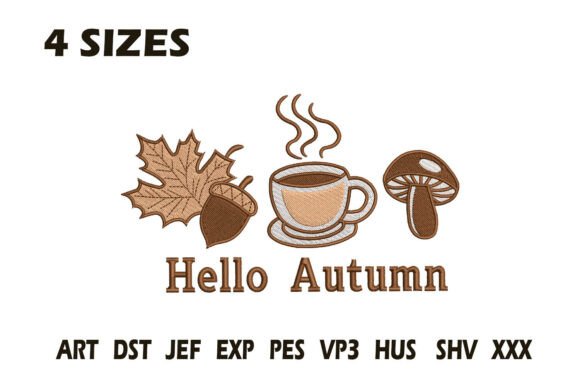
Hello Autumn Coffee Embroidery Design
A Whimsical, Warm First Impression — Not Just Another Fall Clipart
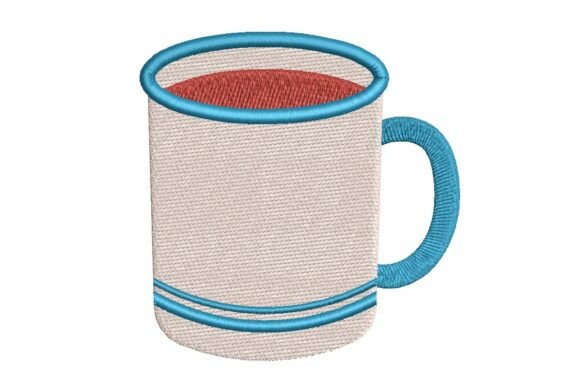
Opening the Hello Autumn Coffee Embroidery Design file feels like unrolling a cozy napkin on a sunlit kitchen counter: warm, inviting, and quietly confident. It’s not overly busy, nor is it minimalist to the point of sterility. There’s a soft rhythm in the composition — a tilted coffee cup with steam curling into leaf-shaped wisps, a gentle “Hello Autumn” script that leans just enough to feel handwritten, not robotic. The balance between negative space and detail tells me this was designed by someone who understands how thread behaves, not just how vectors align. It reads as handmade *before* it’s even stitched — which is exactly what your customers will sense when they hold your finished product.
How It Lives in Real Projects — From Tote Bags to Tiny Onesies
Last week, I prepped a batch of organic cotton tote bags for a local café’s autumn launch — and the Hello Autumn Coffee Embroidery Design landed perfectly centered on the front panel. On medium-weight fabric with light tear-away stabilizer, the satin stitch around the cup rim held crisp definition, and the fill stitches in the leaves settled smoothly without puffing or pulling. No re-hooping needed. That same design translated surprisingly well onto a lightweight baby sweatshirt (size 6–12 months), though I swapped to a lighter-weight cutaway stabilizer and slowed my machine speed by 15% — the script stayed legible, and parents loved the gentle, non-cutesy warmth.
I also tested it as an embroidered patch on twill fabric: trimmed cleanly, fused easily, and held up through two wash-and-dry cycles without fraying at the steam swirls. For Etsy sellers, this versatility matters — one machine embroidery design can support multiple SKUs: holiday gift tags, apron fronts, tea towel corners, even nursery pillow covers where subtlety reads as sophistication, not simplicity.
Where It Shines — And Where You’ll Want to Pause
The Hello Autumn Coffee Embroidery Design thrives on stable, medium-to-heavy fabrics: canvas, terry cloth, denim, linen blends, and structured knits. It works beautifully on custom apparel like crewneck sweatshirts and relaxed-fit tees — especially when placed on the left chest or lower back. As a tote bag design, it adds instant personality without overwhelming the shape. As a holiday embroidery motif, it avoids cliché while still landing firmly in the autumn season — no pumpkins, no scarecrows, just quiet, caffeinated coziness.
That said, tread thoughtfully on stretchy knits (like ribbed cuffs or curved cap fronts) — the script’s fine curves can distort if tension isn’t dialed in. Avoid using it full-size on thin fabrics like voile or silk charmeuse without additional backing; the fill stitch density may telegraph or cause shadowing. And while it’s charming on dark fabric, test thread colors carefully: a creamy ecru works better than stark white over charcoal, and the leaf details pop more with matte thread than glossy.
What This Design Says About Your Brand — Before a Single Stitch
Your customers don’t just buy embroidery — they buy intention. The Hello Autumn Coffee Embroidery Design signals care, warmth, and quiet confidence. It doesn’t scream. It invites. When used on a boutique-branded kitchen towel, it elevates utility into heirloom energy. On a personalized gift for a teacher or new parent, it feels considered — not generic. That perception directly impacts perceived value, repeat orders, and word-of-mouth trust. I’ve seen craft business owners report higher cart conversion when this kind of thoughtful embroidery file replaces stock fall graphics in their listings. Why? Because it looks like it belongs — not like it was dropped in.
Practical Designer Notes — Tested, Not Assumed
- Always stitch a test run on scrap fabric matching your final project’s weight and stretch — especially before committing to a client’s favorite sweater.
- Check stitch density visually in your embroidery software: look for tight clusters in the steam swirls or script tails. If they’re dense, consider reducing density by 5–10% for delicate fabrics.
- Confirm hoop size compatibility — this design fits comfortably in a 4x4 hoop, but verify before loading into your machine.
- Inspect small details at 200% zoom: the tip of the coffee cup handle and the terminal stroke of the “e” in “Hello” are subtle — ensure they’re digitized cleanly, not collapsed into a single stitch.
- Test in black-and-white mockups first — contrast clarity matters more than color for readability at small scales.
- Use appropriate stabilizer: light cutaway for knits, tear-away for stable wovens, and fusible + tear-away for patches.
- Review licensing terms before selling finished items or bundling the digital embroidery file — commercial use rights aren’t automatic.
Final Thought: A Design That Grows With Your Craft Business
The Hello Autumn Coffee Embroidery Design isn’t just seasonal decoration — it’s a flexible, emotionally resonant asset. I’ve used it as a standalone motif, a framing element for monograms, and even deconstructed parts of it (that leaf swirl? perfect as a border repeat). For Etsy sellers and small shop owners, that kind of adaptability stretches your design budget and strengthens your visual voice across product lines. It doesn’t shout “fall!” — it whispers “cozy moment,” and that’s the kind of whisper that turns first-time buyers into regulars.