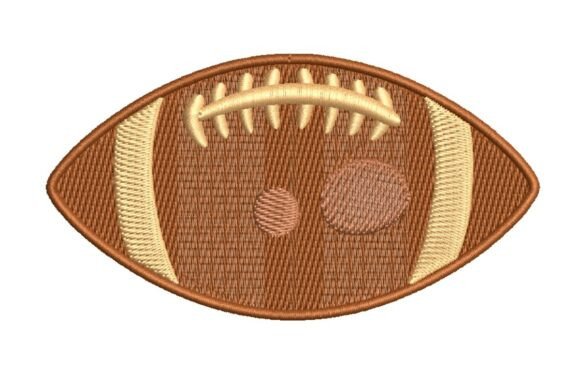
Football Mama Embroidery Design
First Impression: Bold, Warm, and Instantly Relatable
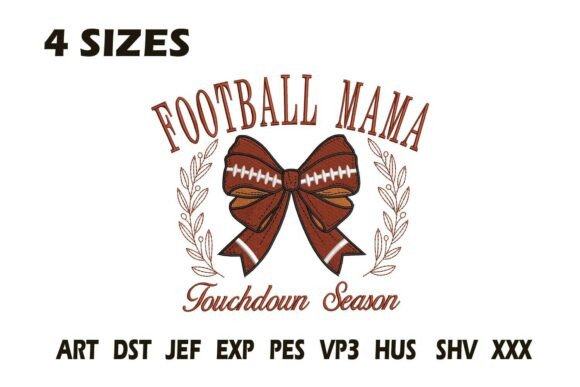
As an embroidery designer who’s prepped over 200 craft fair booths, I know what stops a shopper mid-aisle—and Football Mama Embroidery Design does it. It’s not overly cutesy or cartoonish; it’s confident, warm, and grounded in real-life pride. The title alone signals community, identity, and heart—perfect for the Sports category without leaning into team logos or aggressive mascots. That makes it broadly wearable across leagues, ages, and genders. At first glance, it reads as modern-farmhouse meets spirited mom energy: clean lines, balanced lettering, and implied motion (think subtle curve of a football arc or stylized stitching). It feels handmade but polished—exactly the tone buyers trust at local markets and on Etsy.
Where It Shines: Craft Fair Product Placement That Converts
This design thrives where personality meets utility. On a heavyweight cotton tote bag? Strong focal point—visible from six feet away, especially with contrasting thread colors. As apron embroidery centered above the pocket? Instant conversation starter at a food or craft booth. For tea towel embroidery, it works best on the lower corner or folded hem—not too busy, just right for kitchen charm. A small-scale version on a fabric pouch or embroidered patch adds collectible appeal: moms grab one for themselves, then buy extras for teammates’ kids.
It’s less ideal on curved cap surfaces unless digitized with careful underlay and reduced density—more on that below. Pillow covers and market bags benefit most when Football Mama Embroidery Design is placed front-and-center, sized to fill 60–75% of the visible surface. For booth samples, I always stitch it on two fabrics side-by-side: light natural linen and dark navy twill—to show versatility and contrast range. Buyers notice that attention to detail.
Real-World Production Notes Every Embroidery Business Owner Needs
This isn’t a “stitch-and-go” file. It’s a machine embroidery design that rewards thoughtful execution. Here’s what I check before batch production:
- Stitch density: Moderate—but watch tight curves and small lettering. Dense areas can pucker on textured towels or lightweight knits. Always test on scrap fabric matching your final product’s weight and weave.
- Thread colors: Recommend high-contrast combos—cream on navy, charcoal on oatmeal, kelly green on cream. Avoid pastel-on-pastel unless you’re targeting ultra-soft boutique branding.
- Hoop size & stabilizer: Likely fits a 4×4 or 5×7 hoop, but verify before cutting files. Use cutaway stabilizer for stretchy fabrics, tear-away for stable wovens like tea towels and canvas totes.
- Fabric texture matters: On terry cloth or heavy jacquard, reduce density slightly and increase underlay. Tiny details vanish fast on nubby surfaces—so if your digital embroidery file includes fine linework or script flourishes, confirm they scale cleanly at 3.5 inches wide.
- Dark fabric warning: If stitching on black or deep charcoal, use white or bright metallic thread—and double-check visibility in natural light. What looks crisp on-screen often softens in person.
Online & Offline Appeal: From Etsy Listings to Booth Impact
For Etsy sellers and small shop owners, Football Mama Embroidery Design photographs exceptionally well—especially as part of a printable mockup series. Show it on three real products: a rolled tea towel, a flat tote bag, and a pinned patch on denim. That trio tells a complete story: gifting, utility, and personal style. It also scales beautifully for digital listings: no tiny text to blur, no fragile motifs to pixelate. As a digital embroidery file, it supports strong brand consistency—whether you’re selling finished products or design assets.
In person, it boosts booth display strength because it’s emotionally resonant. Shoppers don’t just see “football”—they see belonging, support, and quiet pride. That emotional hook increases dwell time, repeat visits, and word-of-mouth referrals. And yes—it’s highly repeatable for batch production, provided you’ve dialed in tension, thread, and stabilizer first.
Careful-Use Scenarios: When Less Is More
Avoid shrinking this design below 3 inches wide. Small lettering loses legibility fast—especially on curved or uneven surfaces like caps or pouches. Also skip dense stitch zones on thick quilted fabric or stiff leather-look vinyl; the design may not lay flat or could damage needles. If offering custom colorways, keep thread palettes tight—three colors max—to maintain cohesion and speed up changeovers during craft fair production rushes.
Final Designer Recommendation: A High-Return Handmade Product Anchor
I’ve used Football Mama Embroidery Design as a cornerstone for three seasonal craft fair rotations—and each time, it outperformed more “trendy” designs. Why? Because it balances specificity with warmth. It speaks directly to a passionate, underserved audience (football moms) while remaining inclusive enough for dads, grandparents, coaches, and even school spirit teams. It elevates a simple tote bag into a statement piece and turns a basic tea towel into a giftable handmade product with instant meaning.
Before launching, do these five things: test the embroidery file on your most common fabric; check thread contrast in daylight and booth lighting; review spacing between elements for visual breathing room; confirm commercial licensing terms (especially if selling finished goods); and create at least one physical mockup—not just a digital preview. That single stitched sample will reveal more than ten screen checks ever could.
Bottom line: Football Mama Embroidery Design isn’t just another machine embroidery design. It’s a reliable, emotionally intelligent asset for any embroidery business owner building real connections—and real revenue—at craft fairs, online shops, and local markets.