Cute Cow by the Fence Embroidery Design
First Impressions: Charm That Stitches Well
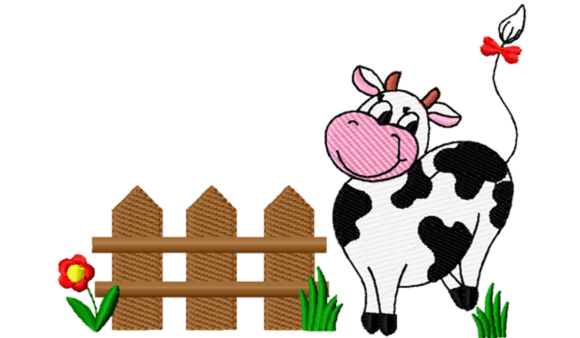
When I opened Cute Cow by the Fence Embroidery Design, what struck me wasn’t just the sweetness—it was how immediately *workable* it felt. The cow’s gentle smile, the soft curve of its muzzle, the simple but expressive fence rails, and that single cheerful flower all sit together with clear visual hierarchy and balanced negative space. It doesn’t shout; it invites. As a designer who’s stitched hundreds of farm-themed pieces for baby onesies, boutique tea towels, and custom aprons, I appreciate when a machine embroidery design avoids clutter while still feeling complete. This one does—no over-engineered details, no fussy outlines, just confident, friendly shapes built for real fabric.
A Real Project Test: Stitching It on a Linen-Cotton Kitchen Towel
Last week, I used Cute Cow by the Fence Embroidery Design on a natural linen-cotton blend towel for a small-batch holiday gift set. I chose the 10 cm size—not too dominant, not too timid—and paired it with a medium-weight cutaway stabilizer. The result? Crisp satin stitch on the cow’s outline, smooth fill stitch in the body (no puckering), and just enough running stitch detail in the fence rails to suggest texture without overwhelming the weave. Customers loved the warmth it added—not “cutesy” in a dated way, but quietly nostalgic and handmade in feel. That matters: when you’re selling on Etsy or at craft fairs, perceived authenticity is part of the price point.
Where It Shines—and Where to Pause
Cute Cow by the Fence Embroidery Design excels on stable, medium-weight fabrics: cotton tees, denim totes, twill aprons, baby bodysuits, and pillow covers. Its clean lines translate beautifully to sweatshirt embroidery—especially on lighter heathers where the contrast stays soft but legible. It also works well as an embroidered patch (stabilize the backing, trim closely) or a focal point on a nursery wall hanging.
That said, proceed thoughtfully with:
- Stretchy knits: The fence’s straight rails can distort if tension isn’t dialed in—always test on scrap first and consider a light tear-away + topping combo.
- Dark or textured fabrics: The flower’s small fill area may recede on heavy terry cloth or black fleece. Try stitching it in a slightly brighter thread tone—or simplify the flower to a single satin-stitched petal if your machine allows editing.
- Caps and curved surfaces: The design’s horizontal layout makes it less ideal for front-of-cap placement unless resized significantly. Better suited for back-strap embroidery or flat panels like pocket flaps.
- Frequent-wash items: While the stitch density feels moderate (not overly dense), always use quality polyester thread and check seam allowances on baby embroidery—this isn’t a high-abrasion design, so position it away from hems or cuffs that rub.
Design Judgment: More Than Just Cuteness
What makes Cute Cow by the Fence Embroidery Design stand out in a crowded Farm Animals category isn’t novelty—it’s restraint. So many animal embroidery files go overboard with eyelashes, shading, or excessive applique layers. This one trusts simplicity. That pays off commercially: it scales cleanly across sizes, reads well in black-and-white mockups (a must for Etsy listings), and holds up in printable mockups for social media or wholesale catalogs. For craft business owners, that means less time tweaking and more time shipping.
It also builds customer trust. When buyers see a finished product with this design—say, on a personalized gift for a new farmer-parent—they don’t wonder if it’s “too much.” They feel the intention behind it: warm, grounded, unhurried. That emotional resonance lifts perceived value, especially for handmade product lines where story and sincerity sell as much as stitch count.
Practical Designer Notes Before You Stitch
Before adding Cute Cow by the Fence Embroidery Design to your next project, here’s what I do every time:
- Test on scrap fabric *with your exact stabilizer and thread combo*—not just once, but twice: once at recommended hoop size, once slightly smaller if needed for tight spaces.
- Check thread color contrast on both light and dark backgrounds. A buttery yellow cow pops on navy, but might vanish on oatmeal—swap to a warm tan or cream if needed.
- Review small details: Is the flower stem clearly defined? Does the fence rail end cleanly? If not, a quick digitizing tweak takes seconds and prevents fuzzy corners.
- Use proper stabilizer—cutaway for knits and towels, tear-away for stable wovens. Skipping this step risks distortion, especially around the cow’s rounded head.
- Confirm licensing terms before selling finished items or bundling the digital embroidery file. If it’s labeled for commercial use, great—but verify scope (e.g., physical items only vs. digital resale).
- Always preview in grayscale. If it loses shape or balance without color, revisit placement or sizing.
Final Thought: A Quietly Versatile Workhorse
Cute Cow by the Fence Embroidery Design won’t dominate your portfolio—but it will reliably elevate your everyday offerings. It’s the kind of embroidery file that sells quietly across seasons: on spring baby gifts, summer farmers’ market totes, fall nursery decor, and even subtle holiday stockings. It fits seamlessly into a cohesive brand voice without demanding attention. For Etsy sellers building seasonal collections, small shop owners curating boutique merchandise, or apparel decorators expanding into lifestyle categories, it’s not just another farm animal—it’s a thoughtful, stitch-ready asset that earns its place in your library.