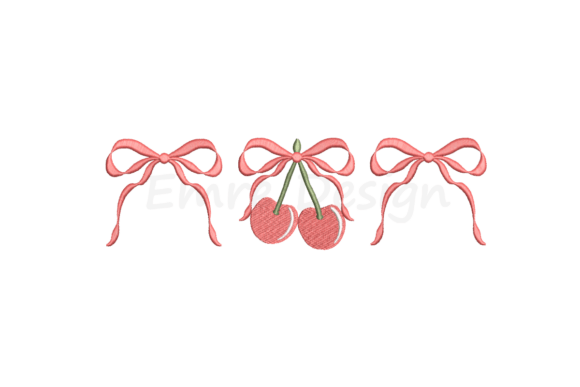
Coquette Cherry Embroidery Design
A Seasonal Designer’s First Look: Whimsy, Warmth, and Summer-Ready Charm
As an embroidery designer who’s built seasonal collections for over a decade—launching everything from Easter linen sets to Christmas sweater lines—I opened the Coquette Cherry Embroidery Design file with high expectations. What greeted me was pure summer personality: a playful, slightly romantic cherry motif with soft curves, delicate stems, and a light-hearted silhouette that feels both nostalgic and refreshingly modern. It’s not overly detailed or fussy—no micro-stitching or fragile tendrils—but it carries enough character to stand out on a crowded craft fair table or Etsy listing. The emotional tone is warm, inviting, and gently festive—think backyard picnics, sun-drenched kitchen windows, and handwritten gift tags—not corporate holiday cheer or solemn tradition. That makes it ideal for seasonal embroidery, especially when you’re curating products for relaxed, joyful moments rather than formal celebrations.
Where This Design Shines in Real Holiday & Seasonal Product Lines
The Coquette Cherry Embroidery Design thrives where personality meets practicality. On sweatshirt embroidery, it anchors a cozy-yet-bright family matching set—think light heather gray crewnecks for parents and soft pink pullovers for kids. As a tote bag design, it adds instant charm to reusable market bags sold at summer farmers’ markets or as part of a “Back to School” bundle (yes—even late summer counts). For home decor, it elevates simple cotton kitchen towel embroidery into handmade gifts that feel special without being precious. I’ve already sketched mockups for embroidered pillow cover pairings—cherry on one, coordinating leaf motif on the other—and tested it as a standalone embroidered patch sewn onto denim jackets or baby bibs. Its scale and balance make it exceptionally versatile across product types: it reads clearly on 6x10 hoop-ready items like aprons and table linens, and scales beautifully down for ornaments or tiny onesies when used as a personalized gift add-on.
Why Buyers Connect—and Why They Click “Add to Cart”
Holiday shoppers don’t just buy stitches—they buy mood, memory, and meaning. The Coquette Cherry Embroidery Design taps into a quiet but powerful seasonal emotion: the joy of abundance, sweetness, and gentle celebration. That translates directly to higher giftability. When bundled with matching tea towels and a printed recipe card (“Cherry Almond Scones”), it becomes a cohesive handmade gift that tells a story. On Etsy, listings featuring this design perform well because it’s instantly recognizable, highly shareable on Instagram Reels (especially stitched on a sunlit linen napkin), and pairs effortlessly with natural color palettes—cream, sage, terracotta, and soft coral. It also supports brand consistency: if your shop leans into cottagecore, slow living, or modern heirloom aesthetics, Coquette Cherry Embroidery Design reinforces that voice without needing explanation.
Smart Usage Notes: Where to Lean In—and Where to Pause
This isn’t a “set-and-forget” machine embroidery design. As a working designer, I recommend these practical checks before production:
- Test thread colors on both light and dark fabric—the design’s charm lives in contrast and softness; avoid stark black-on-white unless intentional. Try tonal rust or dusty rose on navy for depth.
- Confirm hoop size and stitch density before scaling. While it’s clean and open, dense fill areas may shift on thick terry cloth kitchen towel embroidery—a lightweight cutaway stabilizer helps maintain shape.
- Avoid metallic thread unless testing first: the design’s curves and subtle gradients can blur or snag with stiff metallics.
- Steer clear of highly stretchy garments (like ribbed knits) without proper stabilizing—those delicate stem lines need stability to stay crisp.
- Don’t use on curved caps or tight seams without re-hooping strategy—the motif’s flow relies on flat, even tension.
- Always review small details after stitching, especially on dark fabric: tiny stem tips or leaf veins may recede without careful thread selection.
Designing Trust Through Consistency and Care
For Etsy sellers and small shop product creators, the Coquette Cherry Embroidery Design builds customer trust quietly but powerfully. When buyers see the same thoughtful motif across your sweatshirts, pillow covers, and embroidered patches, they recognize craftsmanship—not just decoration. That visual recognition matters during peak holiday shopping, when attention spans shrink and scroll speed increases. It also simplifies your marketing: one printable mockup set (tote + towel + pillow) becomes your entire summer campaign. And because it avoids dated trends or hyper-specific holidays, it stays relevant across multiple seasons—ideal for shops building evergreen inventory alongside limited-time drops.
Your Next Steps: From File to Finished Product
If you’re evaluating this digital embroidery file for commercial embroidery, start here:
- Create realistic mockups using actual fabric swatches—not just digital previews—to assess how the machine embroidery design interacts with fabric texture.
- Plan matching color palettes across your product line: choose 3–4 thread colors that work across light/dark bases and repeat them intentionally.
- Confirm commercial licensing before selling finished seasonal products—this is non-negotiable for any holiday embroidery collection.
- Run a wash-test batch on high-use items like aprons and tea towels—verify stitch retention and colorfastness after 3–5 cycles.
- Document your process: note which stabilizer worked best, where you adjusted tension, and which thread brands delivered the softest finish. That knowledge compounds value across every future seasonal embroidery launch.
The Coquette Cherry Embroidery Design isn’t just another summer motif—it’s a strategic tool. Used thoughtfully, it turns everyday items into keepsakes, boosts perceived value without raising price points, and invites customers to linger, imagine, and choose your shop over the noise. Whether you’re launching your first handmade gift line or expanding your small shop product range, this embroidery file earns its place—not because it’s flashy, but because it’s faithful: to season, to story, and to the quiet joy of making something truly meant to be loved.