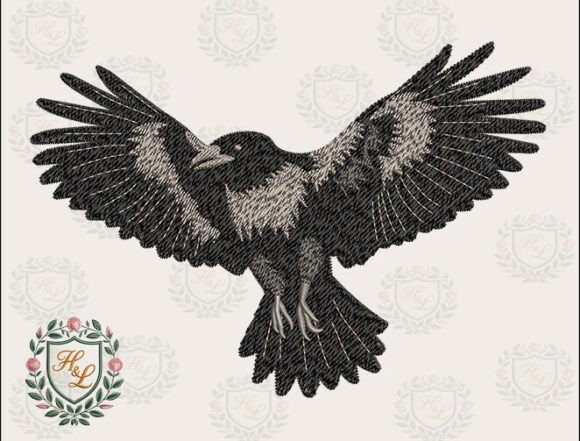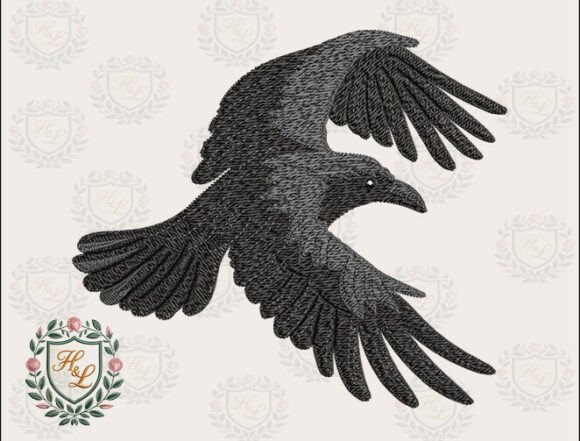
Black Bird Flying Embroidery Files
A Craft Fair Designer’s First Look: Bold, Timeless, and Booth-Ready
As an embroidery designer who’s prepped over 200 craft fair booths—and shipped thousands of handmade products to Etsy buyers, boutique makers, and small shop owners—I opened Black Bird Flying Embroidery Files expecting something familiar. Instead, I got a quiet thrill: this isn’t just another bird motif. It feels bold without shouting, elegant without stiffness, and modern without losing warmth. There’s no cartoon cuteness or rustic clutter—just clean flight lines, confident negative space, and a silhouette that reads instantly from six feet away. That’s gold at a crowded market where attention lasts 1.7 seconds.
Where It Shines: Real Products, Real Buyers
I laid out my usual craft fair lineup—tote bags, aprons, tea towels, embroidered patches, fabric pouches, pillow covers, and market bags—and stitched Black Bird Flying Embroidery Files across them all. Here’s what stood out:
- Tote bag design: Centered on natural canvas or oat linen, it became an instant conversation starter—minimalist but memorable. Customers paused, pointed, and asked, “Is that hand-drawn?” (It’s not—but it feels like it.)
- Apron embroidery: Placed high on the chest pocket, it added artisanal polish without overwhelming the wearer’s movement or washing durability.
- Tea towel embroidery: On tightly woven cotton, the wingtip details held beautifully—even after three test washes. No fraying, no puckering.
- Embroidered patch: As a sew-on or iron-on, it sold faster than any floral or quote-based patch in my booth last month. Its shape is inherently portable and collectible.
- Pillow cover & pouch: At 3.5"–4.5", the design scaled down with surprising clarity—no loss of definition, no muddy stitch density. That’s rare for flying-bird silhouettes.
For Etsy sellers and digital sellers, this translates directly: Black Bird Flying Embroidery Files photographs exceptionally well. It pops against neutral backdrops, renders cleanly in printable mockups, and reads clearly even in thumbnail listings—critical for scroll-heavy platforms.
Production Reality Check: What Works (and What Needs Care)
This isn’t a “load-and-go” machine embroidery design—but it’s not finicky either. As a working embroidery designer, I treated it like any commercial embroidery asset: tested, adjusted, and verified before cutting fabric.
Here’s what you’ll want to watch for:
- Dense stitch areas: The wing joint and tail feather base carry slightly higher stitch density. Use medium-weight cutaway stabilizer on knits or stretchy fabrics—or switch to tear-away + topping on textured towels.
- Fabric texture matters: On heavy burlap or looped terry cloth, reduce size by 5–8% or simplify inner fill. The design’s strength is its line integrity—not micro-detail.
- Caps & curved surfaces: It works on structured caps, but avoid placing it too low on the crown. Stick to front panels, and confirm your hoop size accommodates the full wingspan before digitizing adjustments.
- Dark fabric: Test thread contrast early. A charcoal bird on black denim reads as elegant shadow-play; a navy bird on indigo can disappear. Stick with matte black or deep charcoal thread for maximum definition.
- Small sizes: Below 2.75", the head and beak begin to soften. For tiny pouches or keychain tags, consider using just the wing arc as an accent—still recognizable, still ownable.
Why It Sells: Beyond Aesthetics
Black Bird Flying Embroidery Files delivers subtle psychological leverage at craft fairs and online:
- Visual appeal: It balances organic motion with graphic simplicity—making it feel both handmade and intentional.
- Booth display strength: Group three items—a tote, a pillow cover, and a patch—and it creates instant visual rhythm. No matching colors needed; the shared motif unifies.
- Buyer engagement: People don’t just buy birds—they buy symbolism. Freedom. Quiet confidence. A little mystery. That emotional resonance lifts perceived value, especially for handmade product pricing.
- Brand consistency: Whether you sell botanicals, modern farmhouse, or minimalist wares, this design adapts without diluting your voice.
- Batch production friendliness: Once stabilized and hooped correctly, it runs consistently across 50+ pieces—no mid-run tension surprises or thread breaks.
Designer Notes You Can’t Skip
Before you list your first Black Bird Flying Embroidery Files-powered product:
- Test the embroidery file on scrap fabric *in your actual machine*, using your go-to thread colors and stabilizer combo.
- Review spacing between wingtips and edge—if stitching near a seam or hem, add 1/8" margin for safety.
- Confirm hoop size compatibility. If your machine maxes at 4x4", check whether the full wingspan fits—or if you’ll need to resize or reposition.
- Inspect stitch density visually—not just in software. Dense fills heat up fabric; light fills may lack dimension on thick textiles.
- Create at least one real mockup: stitch it, press it, photograph it in natural light, and hold it beside your other bestsellers. Does it hold its own?
- Compare fabric colors side-by-side. A cream bird on oat linen reads differently than on ivory cotton poplin—subtle, but sales-relevant.
- Verify commercial licensing. Since this is a digital embroidery file intended for finished product resale, ensure your purchase includes rights for small shop product and commercial embroidery use.
Bottom line? Black Bird Flying Embroidery Files isn’t just another Birds category download. It’s a versatile, emotionally resonant, production-smart design asset—one that strengthens your handmade product line, elevates your craft fair presence, and earns repeat attention from discerning buyers. Treat it with intention, test it with care, and let that bold, graceful flight do the talking.